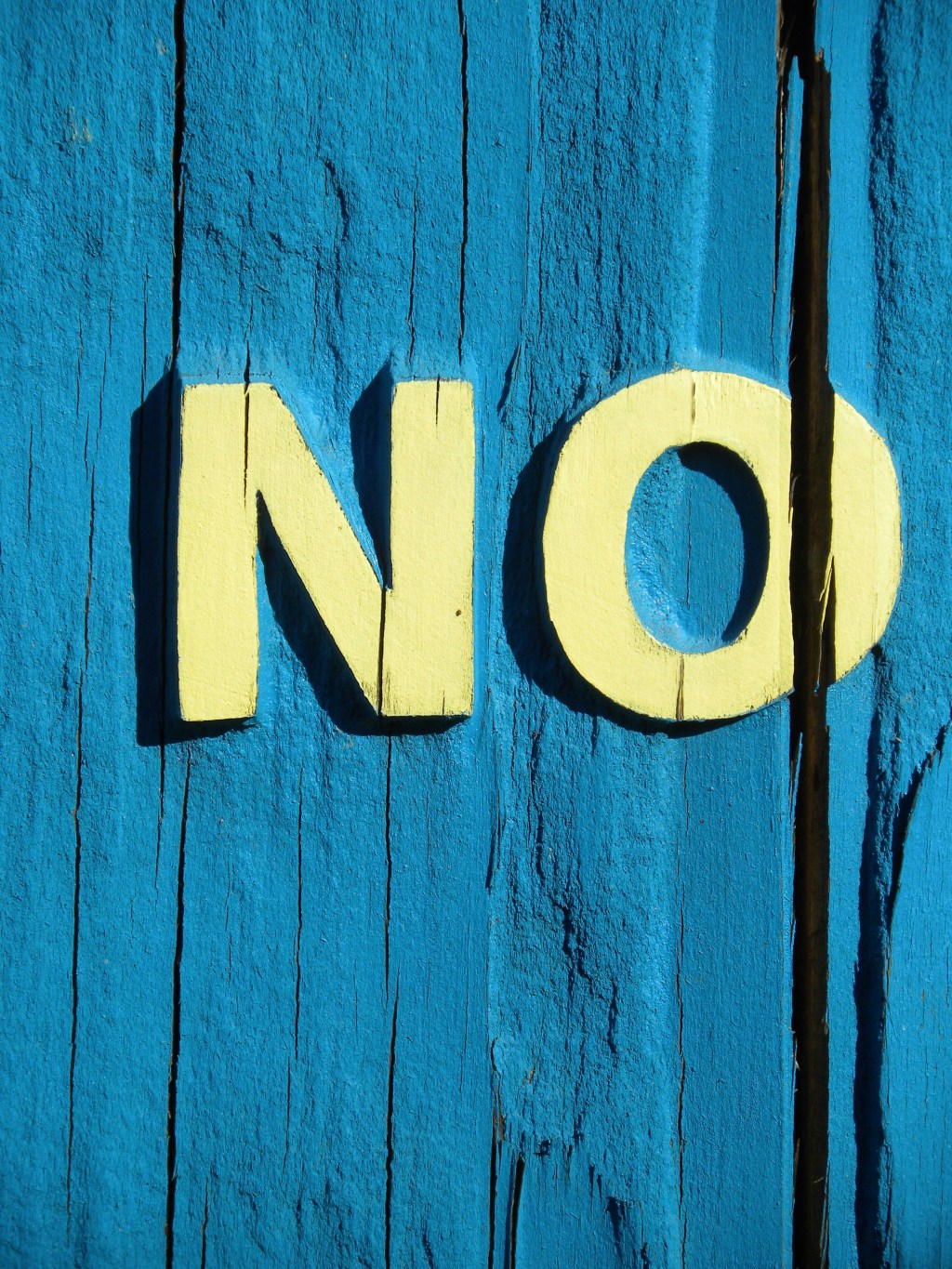
I am writing this piece following a message from a very dear friend of mine. “Nazan, why don’t you write something about the inability to say no?” I’ve been thinking on this topic ever since I received that message.
The “inability to say no” is actually the story of how many times we say “no” to ourselves while saying “yes” to others.
It is a profound subject—one where the boundaries we draw by saying no are often mistaken for selfishness, when in reality, they are a matter of self-respect.
Whether in our family, professional, or social lives, we say “yes” to almost 80% of the things we actually want to say “no” to.
Every concession we make from our true selves wounds us deeply, even if we don’t realize it at the moment. When we say “yes” instead of “no,” we push our authentic selves aside and begin to act like someone we are not.
– “Shall we go out tonight?” The voice inside wants to say “no.” But your mind starts racing: “I went out with Ayşe and the others last week; if I say no now, she’ll misunderstand. If I say I’m tired, she’ll think, ‘Are you only tired when it’s my turn?’” By worrying about whether they will be offended or upset, you find yourself out that night against your will. In reality, all you wanted was to be by yourself; however, all the plans you made to treat yourself vanish into thin air.
Of course, the example above is the simplest one.
But the situation is no different in professional life. The overtime you put in because you couldn’t say no, the events you attend despite them not being part of your job, the reports you sign even though they aren’t your responsibility, the emails where you are kept in CC, and the meetings you attend without any real involvement.
We need to realize one thing: saying “no” is not rudeness. We should be able to say “no” while maintaining our politeness. Furthermore, we are under no obligation to provide a reason when doing so.
- “Shall we go out tonight?” “No, I’d like to rest for a bit.”
– “Can you take a look at this report?” “No, I don’t believe this is within my responsibility.”
– “Will you come to the event tonight? I don’t want to go alone.” “No, I really don’t want to.”
I know the issue isn’t as simple as I’ve written above, but we have to start trying from somewhere.
I believe our upbringing and social dynamics are the primary architects of our inability to say “no.” We grow up learning that saying “no” is rude or disrespectful.
In many families, children who are agreeable and do not object are highly praised. In other words, the path to being loved and valued is through being “easygoing.” And being easygoing means moving forward without saying “no,” whether it suits you or not, or whether you want to or not.
As a result, children are raised unable to define their own boundaries. This applies to my generation and perhaps the one after (Gen X and Gen Y). We feel so timid and vulnerable when drawing our boundaries that a society of people who do not prioritize themselves emerges.
I cannot say the same for Gen Z. As a parent of a Gen Z child myself, I envy their freedom in being able to say “no.”
Of course, balance is key. Our boundaries are precious.
And to be honest, I am one of those people who doesn’t like hearing the word “no” either. I can push a matter to its absolute limit. In this regard, I must also take a look at myself. From now on, when someone says “no” to me, I will simply say, “Okay.” 🙂
With love,
Nazan
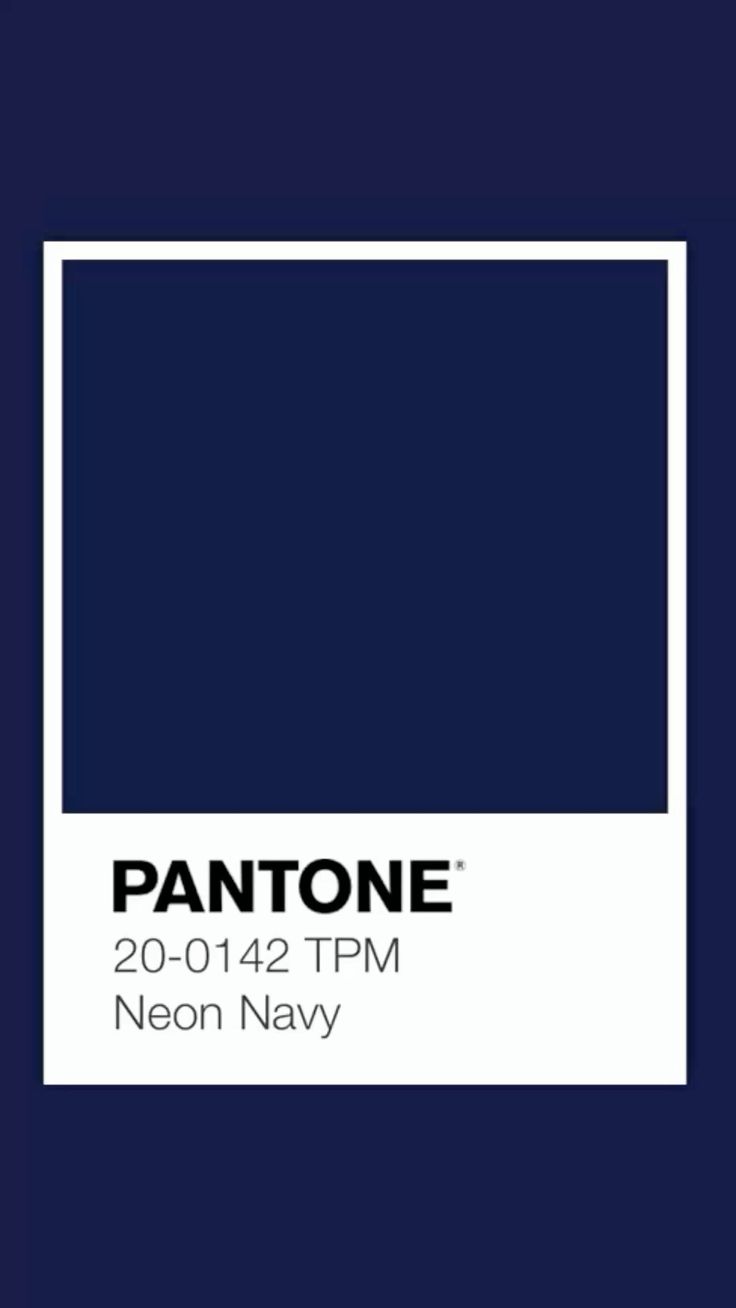
If These Piece had a Color : It would be ”Navy Blue”.
If These Piece had a Song : It would be ”Metallica – Nothing Else Matters”. https://open.spotify.com/track/3U5JVgI2x4rDyHGObzJfNf?si=f9047821d23d42ac 
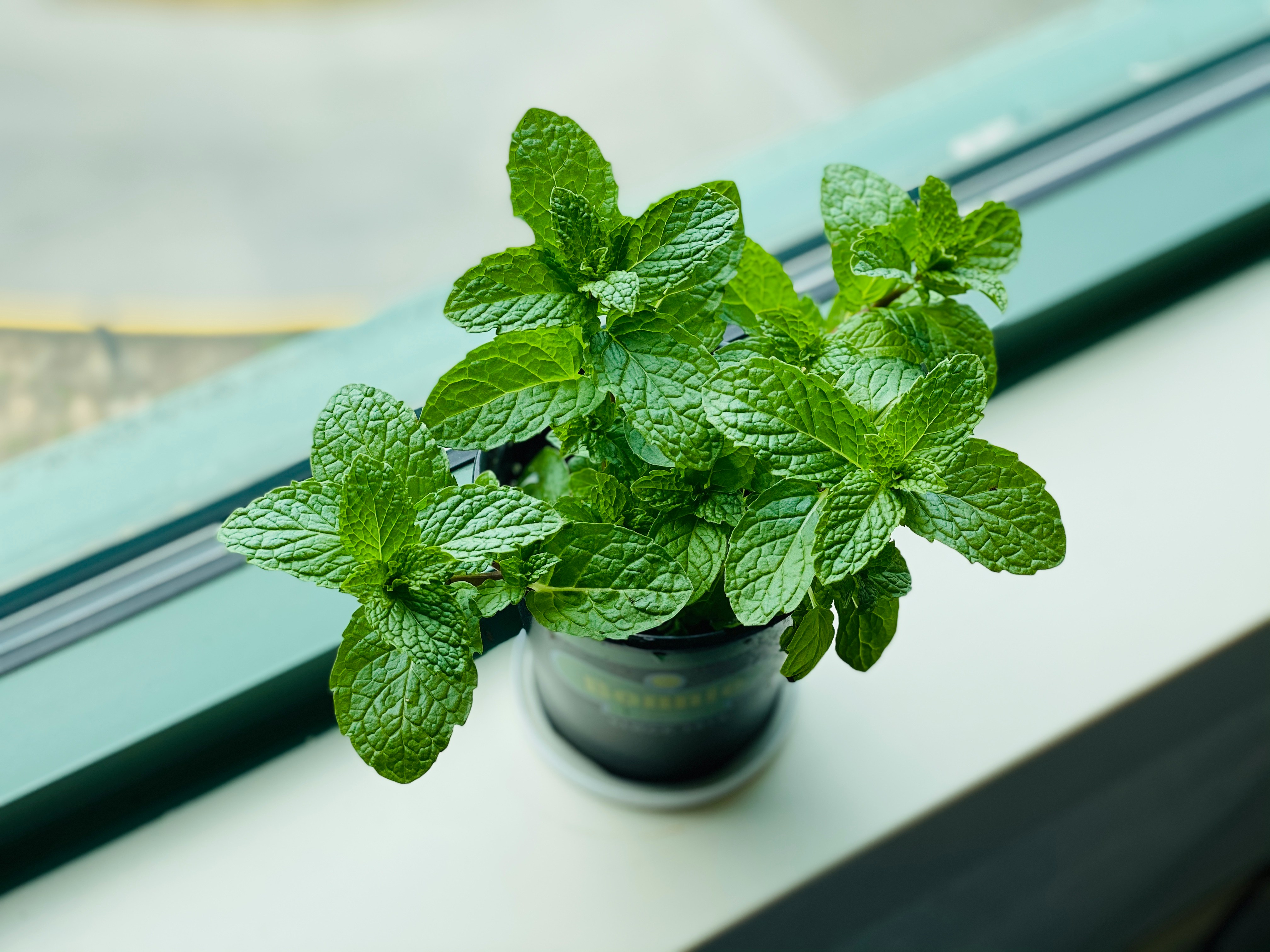
If These Piece had a Scent : It would be ”A sharp Mint Scent”


Bir Cevap Yazın